

Looking to use blogging for online brand growth?
The first step is to decide which topics to cover.
I, myself, use an end-to-end framework that ensures each piece contributes to business objectives.
You can learn about it later. If you need proven business blog post ideas now, this post is for you.
Why Most Business Blog Ideas Fail?
After reviewing and auditing business blogs for over a decade, one pattern is obvious:
Key decision-makers, be it their marketing director or SEO consultant, get tunnel-visioned on potential traffic.
To them, traffic is misjudged as the “ultimate benchmark.”
And since traffic grows proportionately with publishing frequency, it becomes an endless cycle.
Find high-traffic topics. Churn out articles ASAP.
Remember, most business blogs fail not because they lack content.
They fail because they got their priorities wrong.
When I analyze blogs that actually drive high-quality leads, they focus first and foremost on desired business outcomes. This involves a checklist of filters that ensure each idea leads to real results:
| Filter | Query |
| Traffic Reality | Do organic business pages actually get traffic? |
| Demand Depth | Are people searching for this topic in multiple ways? |
| AI Resistance | Is the topic complex enough to warrant human-written content? |
| Maintenance | Does its value exceed ongoing costs? |
| Dedicated Post or Section | Should it be written as a standalone post? |
| Reusability | How confident will I be promoting this post months or years from now? |
Let’s kickstart your blogging efforts with pre-vetted ideas that check all these boxes:
Strong Buying Intent (and Comparisons)
What I’ve learned over the years is that blogging for business can be as simple as you like.
Rather than mapping an elaborate customer journey with different content goals per stage, it’s more profitable to target the bottom funnel.
I’m talking about ready-to-buy readers.
These are people who already have their wallets out.
All they need now is information to validate their purchase decision.
1. “[Product] vs [Product]: In-Depth Comparison”
Versus posts are great for intercepting customers at the decision stage.
For example, people search “Sortly vs Inflow Inventory” because they need an inventory management solution — an urgent business need. More specifically, they can’t decide between two of their top choices.
If you’re Sortly, use Google to easily check out how your potential customers compare your product:
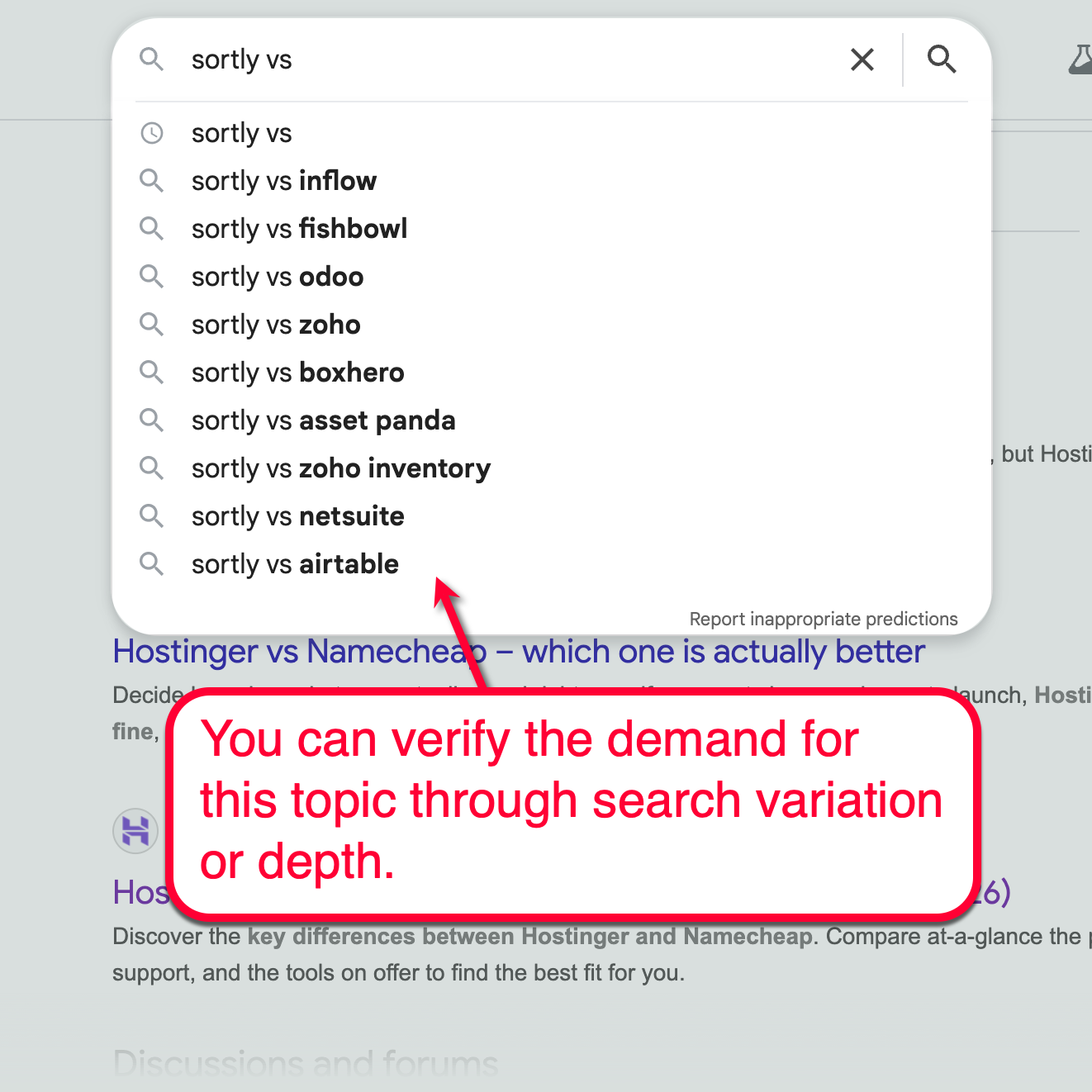
This topic works because the person searching is already comparing options and trying to avoid a costly mistake.
As a tie-breaker, a detailed and unbiased versus post will pull customers to your corner.
This signals transparency and willingness to guide customers with facts. That’s exactly what your brand needs to convert fence-sitters into paying customers.
2. “Best [Product/Service Category] for [Your Business/Objective]”
Undecided buyers use this query when they’re searching for the ideal solution to their specific challenges.
This topic also serves customers in the decision stage.
They want to make sure they’re buying the product because it’s the best at solving their problem. Not because it’s the most popular one in the market.
I use Reddit to understand how potential customers ask this question.
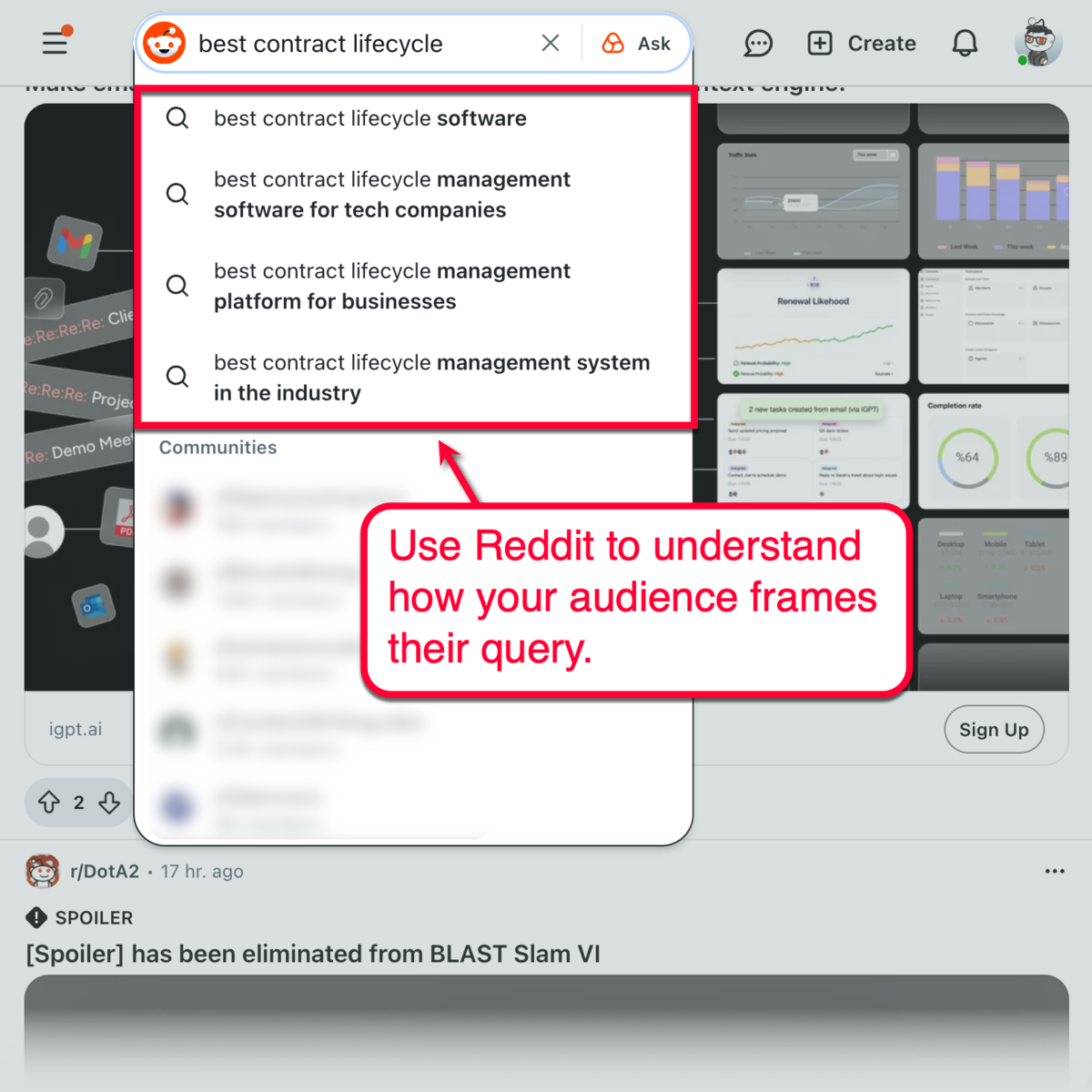
Leverage this topic to showcase your product’s unique advantages.
Write for customers looking for exactly what you’re offering. That’s how to make sure your blogging efforts pay off.
3. “What to Look For When Buying a [Product/Service]”
Mid-late in the customer journey, people begin researching the features they need.
That’s who this topic caters to.
It’s for customers who want to make the most out of their investment.
As such, you’ll find this topic covered in a broad range of industries.
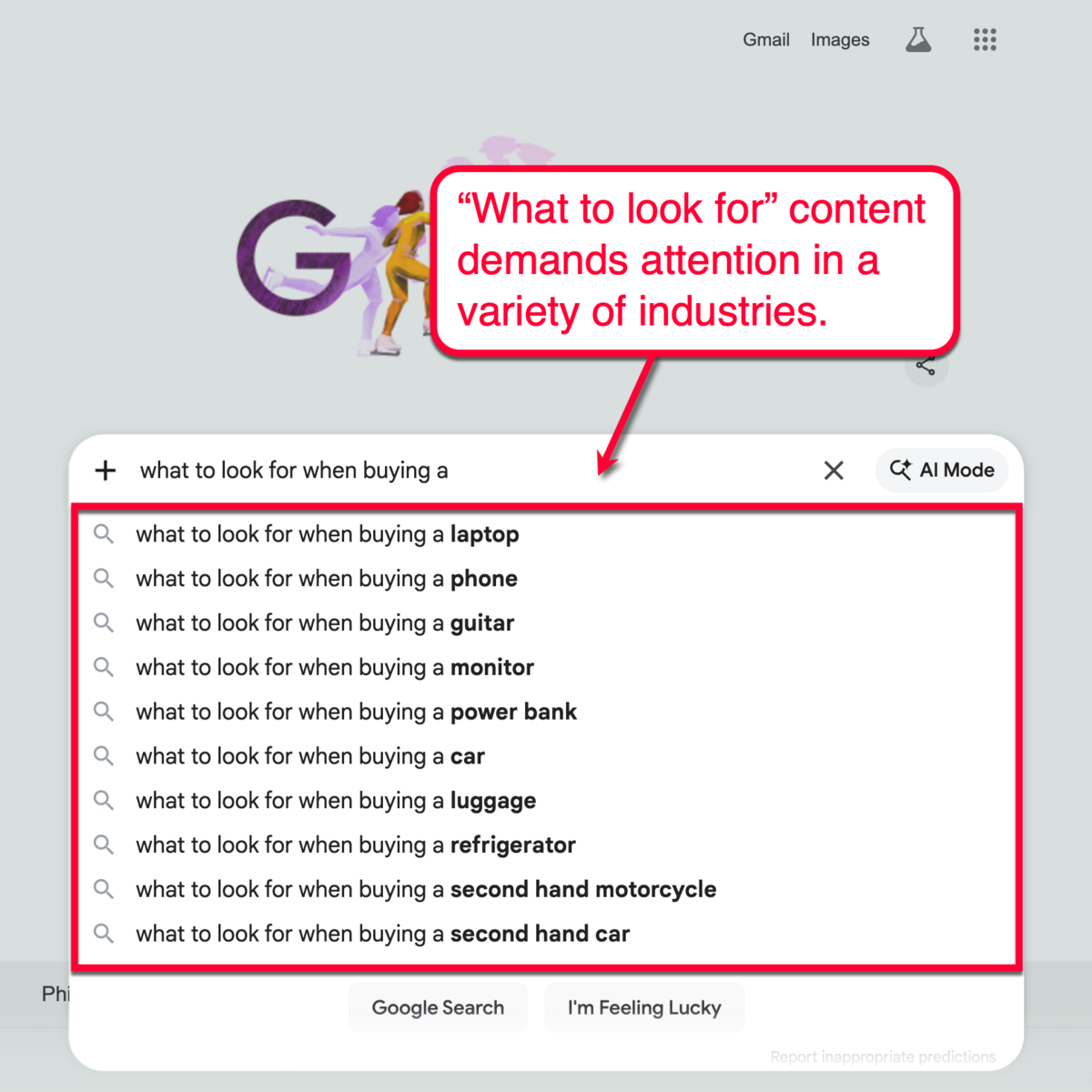
Look at it as a way to indirectly brag about your product’s features. If you frame your blog post around your product’s strengths, you position it as the “ultimate” solution they definitely need to buy.
Cost, Pricing, and ROI-Related
Price is a crucial deciding factor for a lot of customers.
Sure, a certain segment of consumers will always prefer cheaper options. But that’s not always the case.
For the majority of customers, it’s all about their Return on Investment (ROI).
That’s why you need this topic idea in your blogging strategy.
Answer ROI-related questions about your product to build buyer confidence. This amplifies your chances of generating sales.
4. “Is [Product] Worth It?”
The more direct the question, the closer potential customers are to a purchase decision.
If they want to know if your product is worth their money, they’ll ask just that.
That’s why people ask, “Is this product worth it?” in multiple ways.
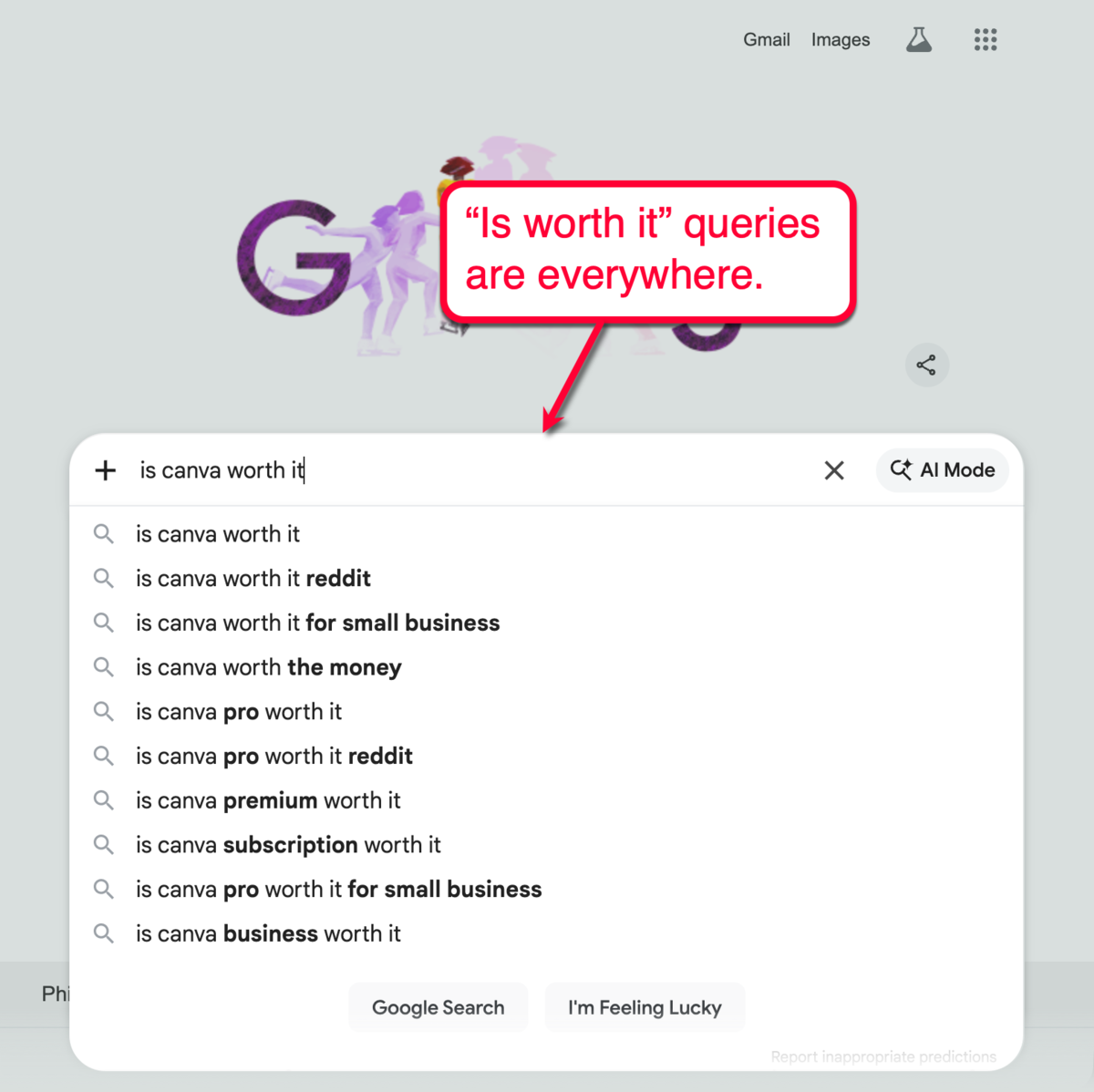
People ask this in the mid-late stages of the customer journey.
Address this question head-on to highlight what they’re paying for. This strategy also works for businesses and publishers promoting affiliate products.
If necessary, expand this topic by adding specifics.
It could be about different customer types (i.e., “small businesses”) or specific plan tiers (i.e., “starter plan”).
5. “[Product/Service] Cost”
Customers feel more confident in their decision if they know exactly where each dollar goes.
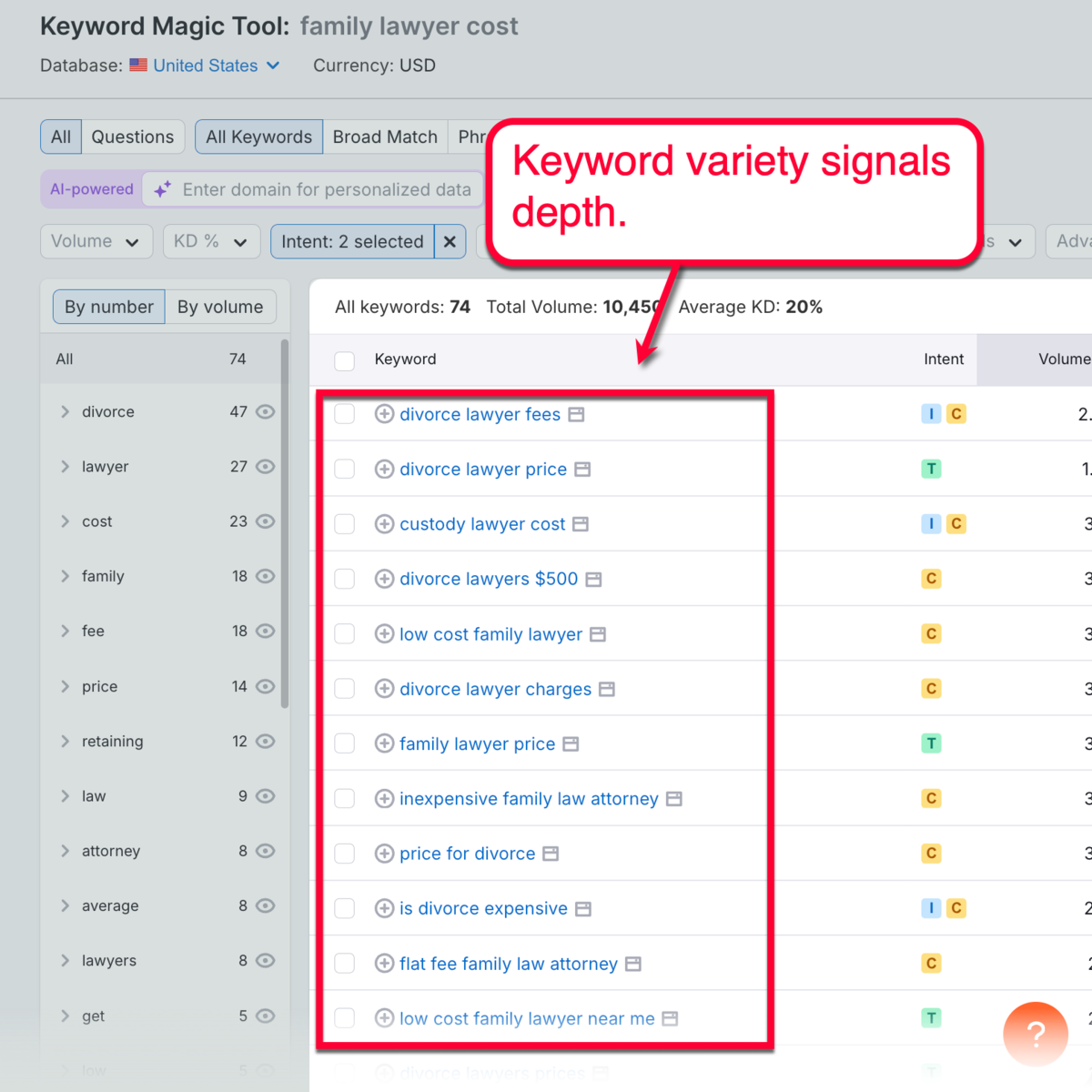
I typically verify demand for this topic through simple keyword research.
Just plug in the term “cost” next to your niche or business category.
If you find a variety of keywords pointing to the same question, that’s demand depth.
At this stage, customers are already convinced they need you. You just need to address the final question of whether you fit their budget.
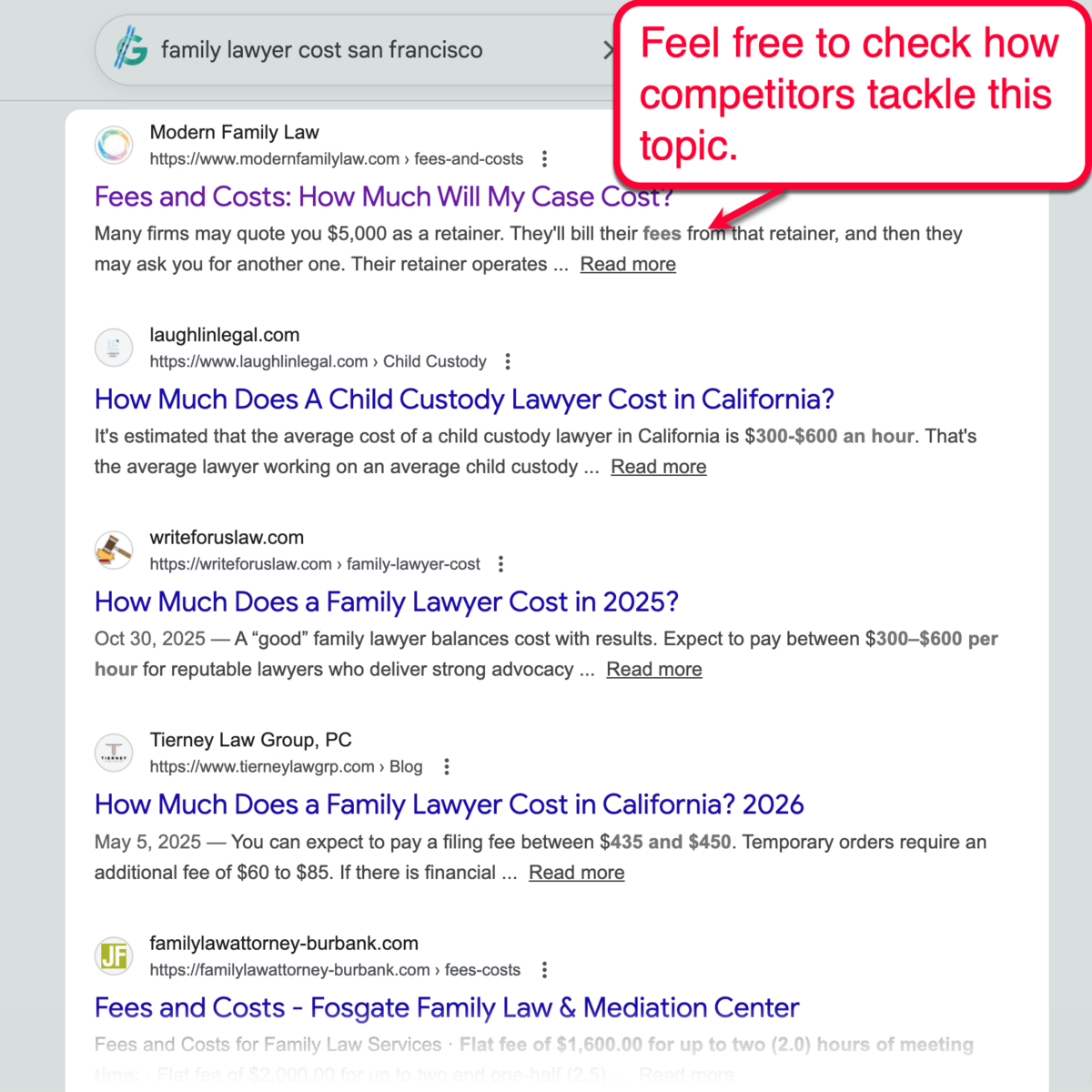
Feel free to check how competitors do this. If you’re a local business, just mention your location in your query.
6. “[Product/Service] Case Study for [Customer Type]”
In business blogging, case studies and customer success stories are always Bottom-of-the-Funnel (BOFU) content.
Of course, case studies make more sense in B2B blogs.
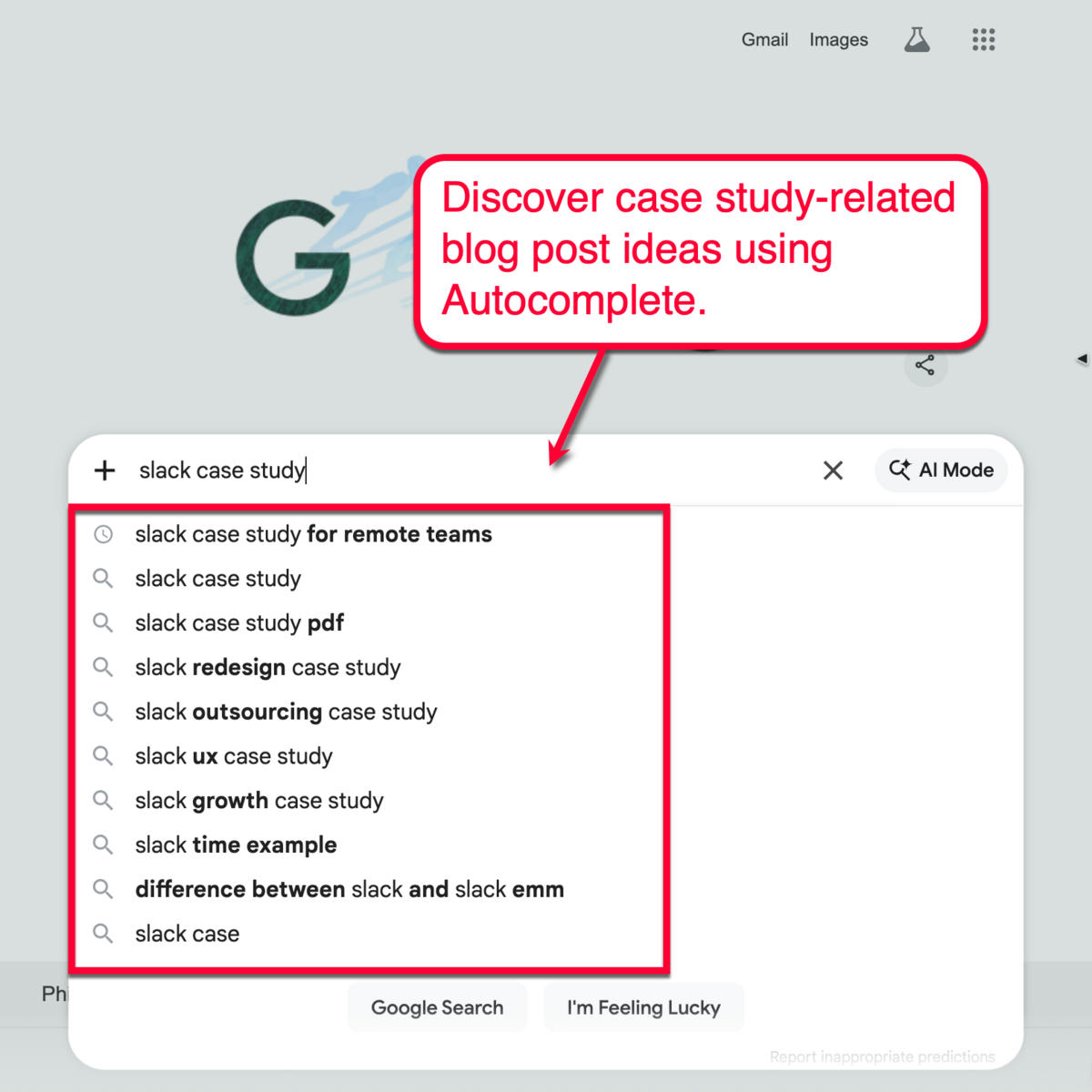
I’d check Google Autocomplete suggestions to quickly verify search demand. This also reveals better ways to phrase or frame your topic.
Done right, a case study definitively answers the ROI question.
It proves that your product or service delivers measurable results.
This reassures potential customers who are just one article away from a conversion. Particularly those making high-stakes purchase decisions, like buying B2B solutions.
7. “[Product] Pricing”
This search query is as close as you’ll get to a purchase-ready customer.
I consider it the “finish line” of the customer journey, especially for software or service-based products with different pricing plans.
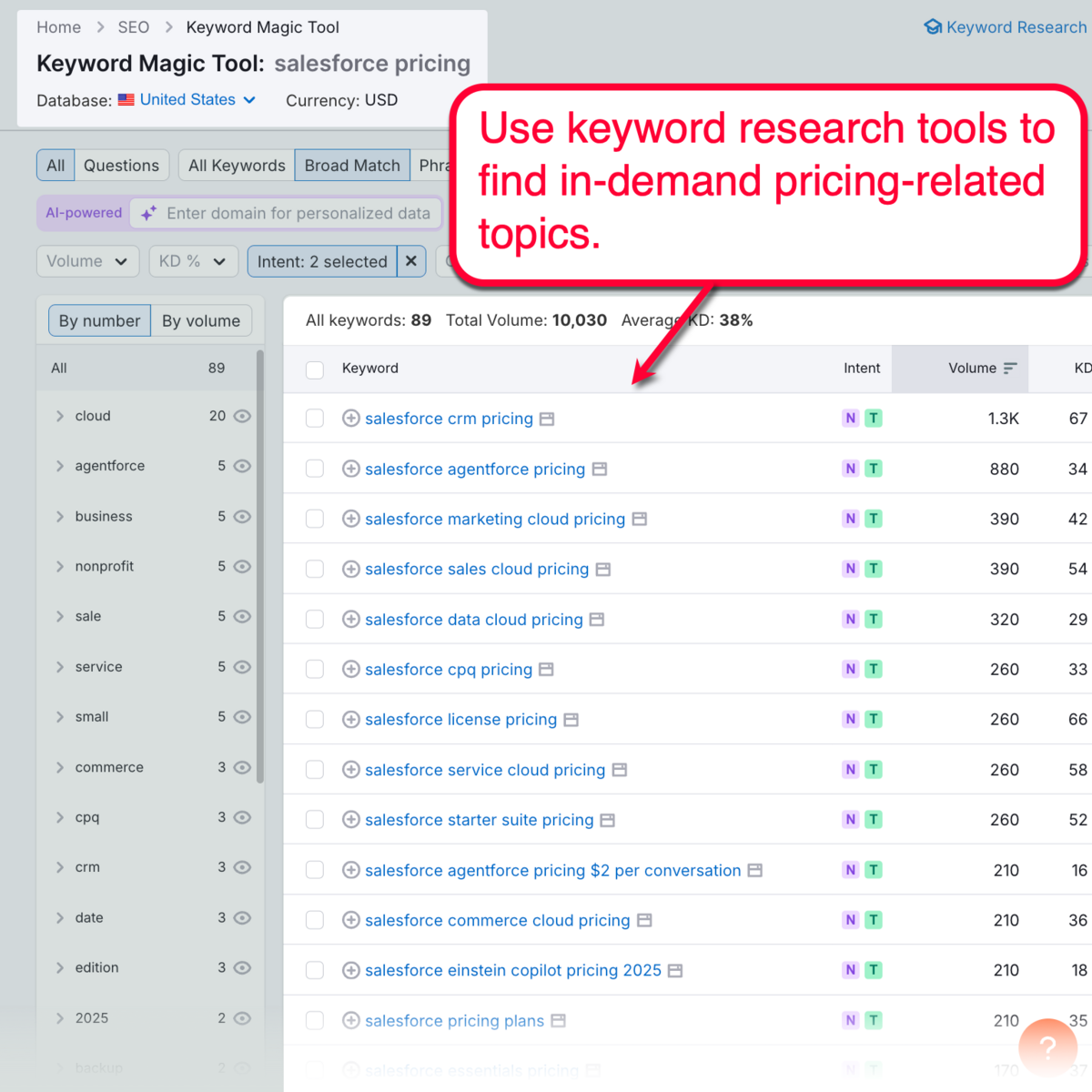
Using any basic keyword research tool shows how potential customers search for this topic.
Other alternatives to this topic are:
- “[Product] + pricing comparison”
- “[Product] + plans”
- “[Product] + pricing + [Year]”
Whichever the variation, people seek this information when they have a strong transactional intent.
It’s just a matter of the best bang for their buck.
Switching Intent and Alternatives
Targeting existing customers with switching intent is just as (if not more) important as generating new buyers.
After all, customer acquisition costs more than retention.
That’s the primary reason why you need content for customers with switching intent.
Remember, you no longer need to convince these customers. They already know what you have to offer.
You just need to identify their pain points and make sure they stick around.
To dampen the effects of churn, include these topics in your strategy:
8. “[Product] Limitations/Workarounds”
Discussing known limitations and shortcomings is a top priority.
The thing is, there’s no single question that customers ask when trying to overcome these issues.
My best bet is to scan online communities, Q&A sites, and social media groups.
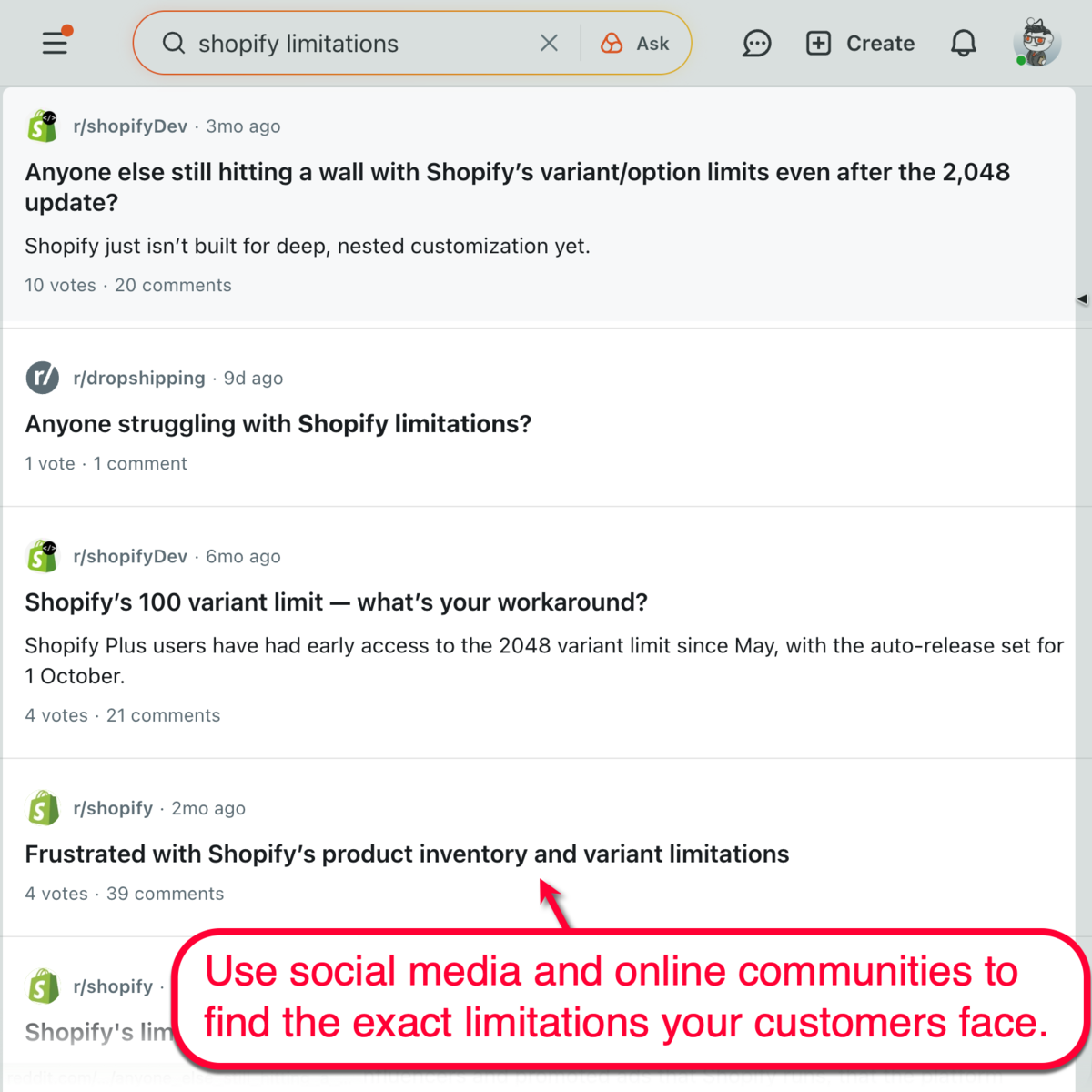
Of course, you should use first-party customer data for a clearer view of your product’s problems.
I’m talking about support tickets, feedback form submissions, and real customer reviews.
But rather than wait for customers to have a bad experience, you need a proactive approach.
Be on the lookout for sites where customers vent out. Identify these topics early, share the right workarounds, or mention plans for improvements.
9. “Better Alternatives to [Product]”
This blog post idea works for potential customers who are tired of their current provider.
It doesn’t address curiosity or purchase intent.
Rather, it taps into your target audience’s frustration with a competitor.
Looking at organic search data, it’s clear that this opportunity exists across industries.
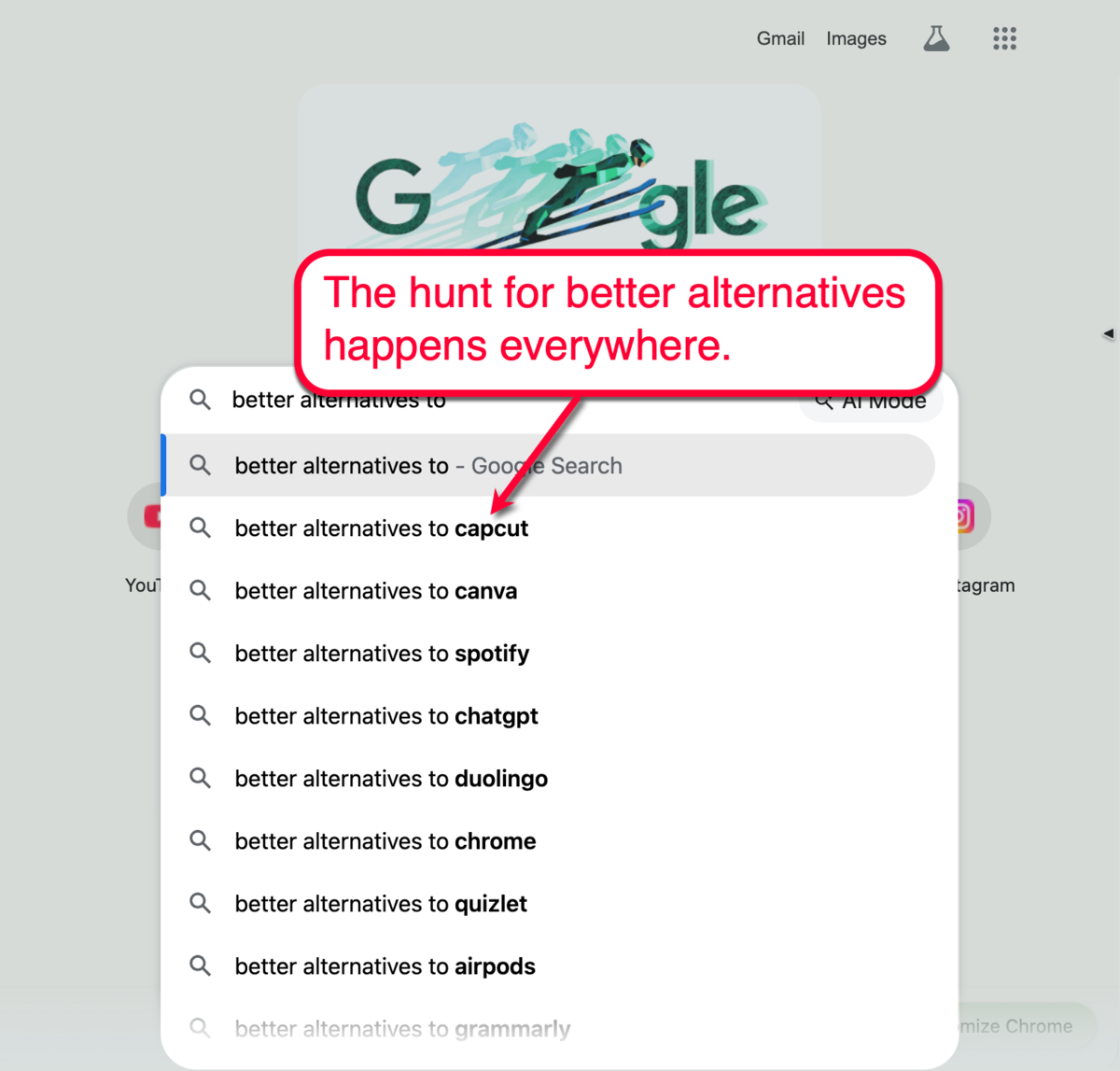
If I were you, I’d look at why customers are fatigued with your competitors in the first place. Then, discuss how your product does a better job in that aspect.
This helps market your product as the “superior” version.
In turn, you widen your market share and expand your bolster brand image.
10. “Switching from [Competitor] to [Product]”
This blog post idea targets customers who are concerned with the technical side of migrating between platforms.
By the time they ask this, you’ve already won them over.
You’re simply expediting their transition by discussing how to make the switch and what to expect.
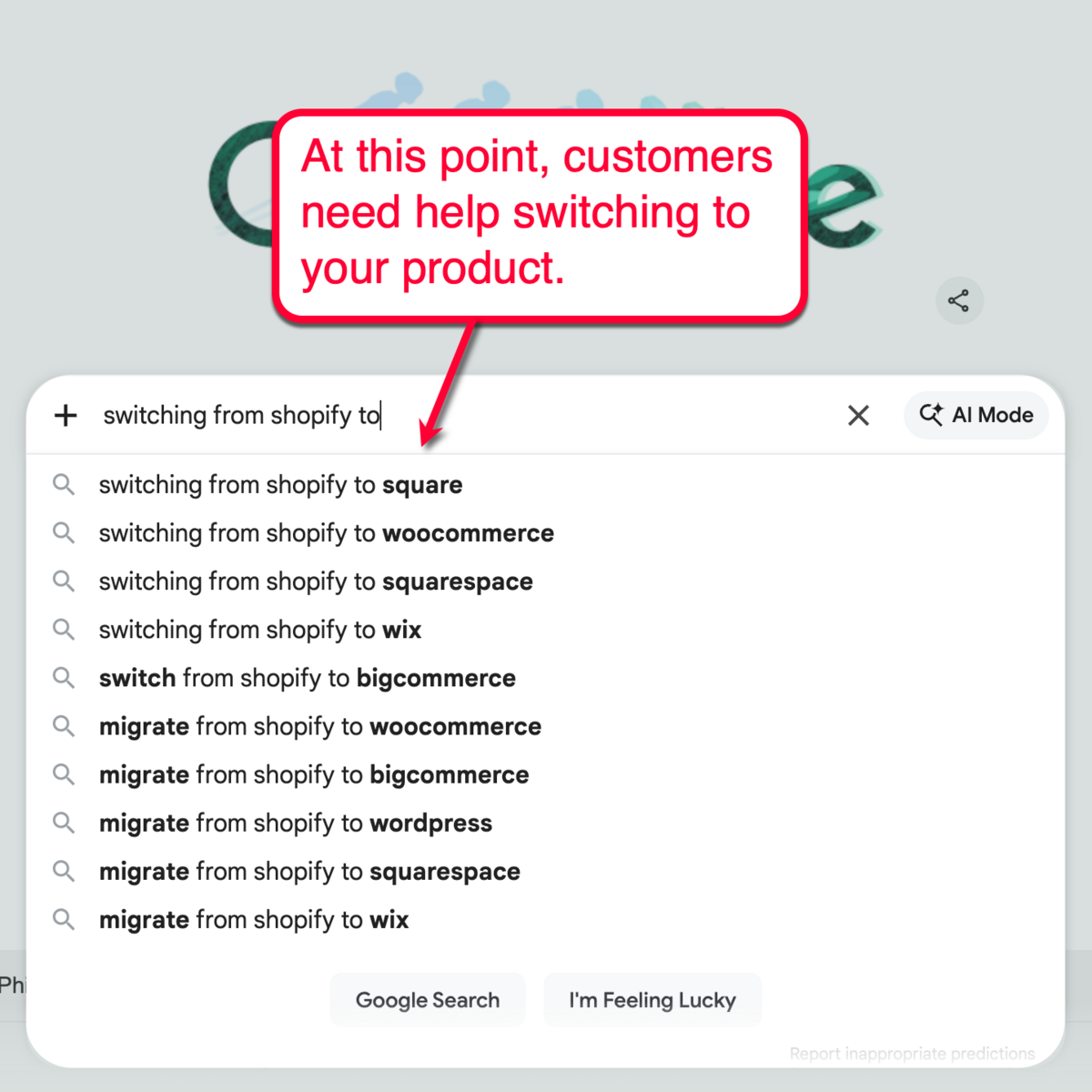
Remember, covering this topic in your blogging strategy not only affects your revenue in the short term.
As prospects learn that customers are switching to your brand, cracks will begin to form in your competitor’s image. It will spotlight limitations and issues that your product essentially fixes.
This helps prop up your brand as the better alternative, improving conversions and driving revenue.
Risks, Mistakes, and Decision Anxiety
Near the end of the customer journey, most potential buyers will have second thoughts.
Don’t worry — it happens to the best of us.
A long-term solution is to publish blog posts that tackle common customer uncertainties and contentions.
The goal is to make even the most skeptical customer feel confident and comfortable with your product.
This is more than achievable with the right ideas.
11. “Should You Hire/Buy [Product/Service]”
“Should you buy” queries signal purchase hesitation and anxiety.
It’s asked by customers looking for that final validation before committing.
Similar to previous topics, customers use different search terms for this. Again, I recommend checking Autocomplete suggestions to gauge demand and identify keywords.
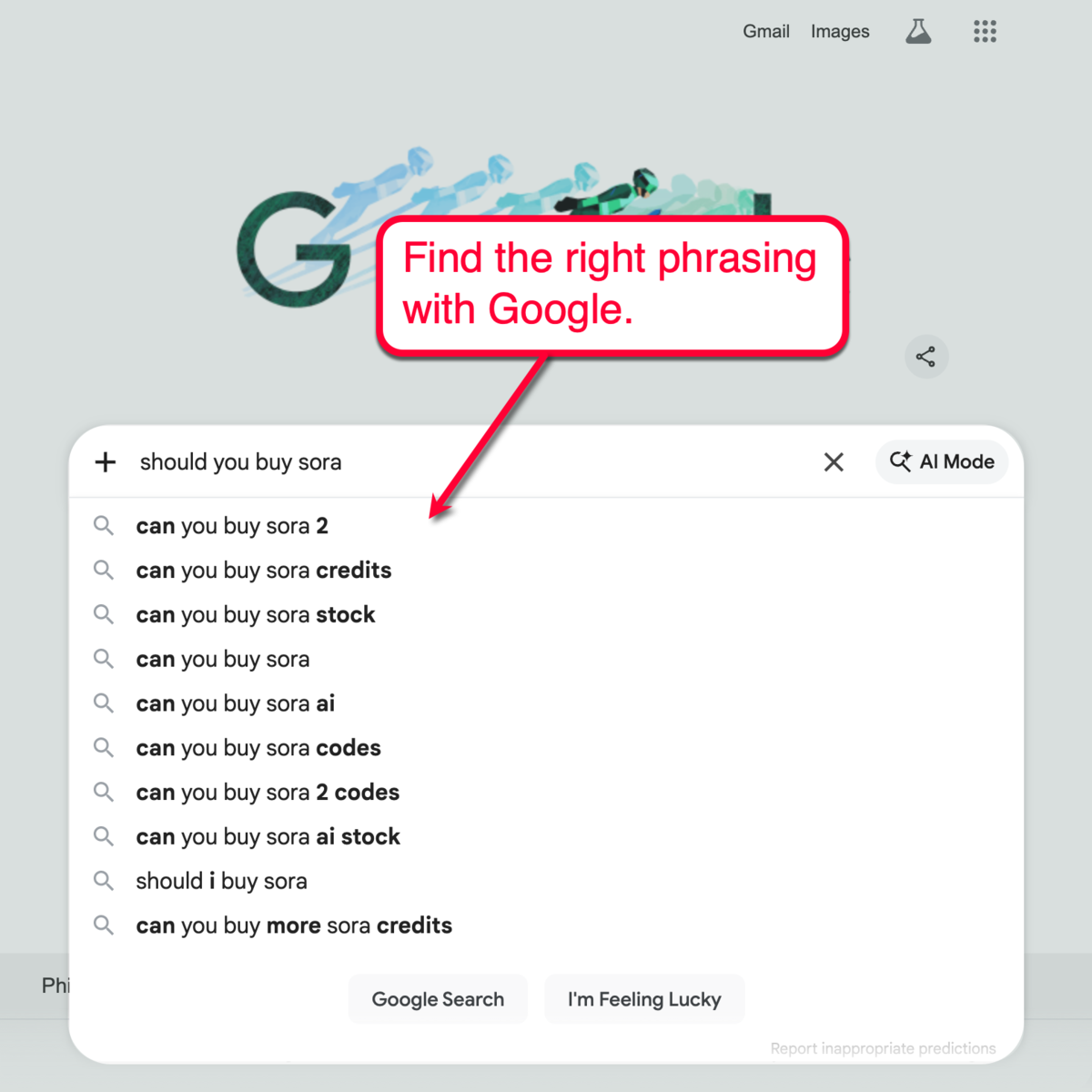
While this may seem similar to “is it worth it” topics, it focuses more on risk avoidance rather than ROI or price.
The customer needs to know that trusting your brand isn’t a mistake.
Covering this topic and highlighting the advantages you offer should boost your conversions.
12. “Common Mistakes/Pitfalls to Avoid When Choosing a [Product/Service]”
Every niche has a customer segment that makes decisions based on what to avoid.
This topic specifically targets those customers.
It’s best matched with a compilation of everything they shouldn’t do to make a solid purchase.
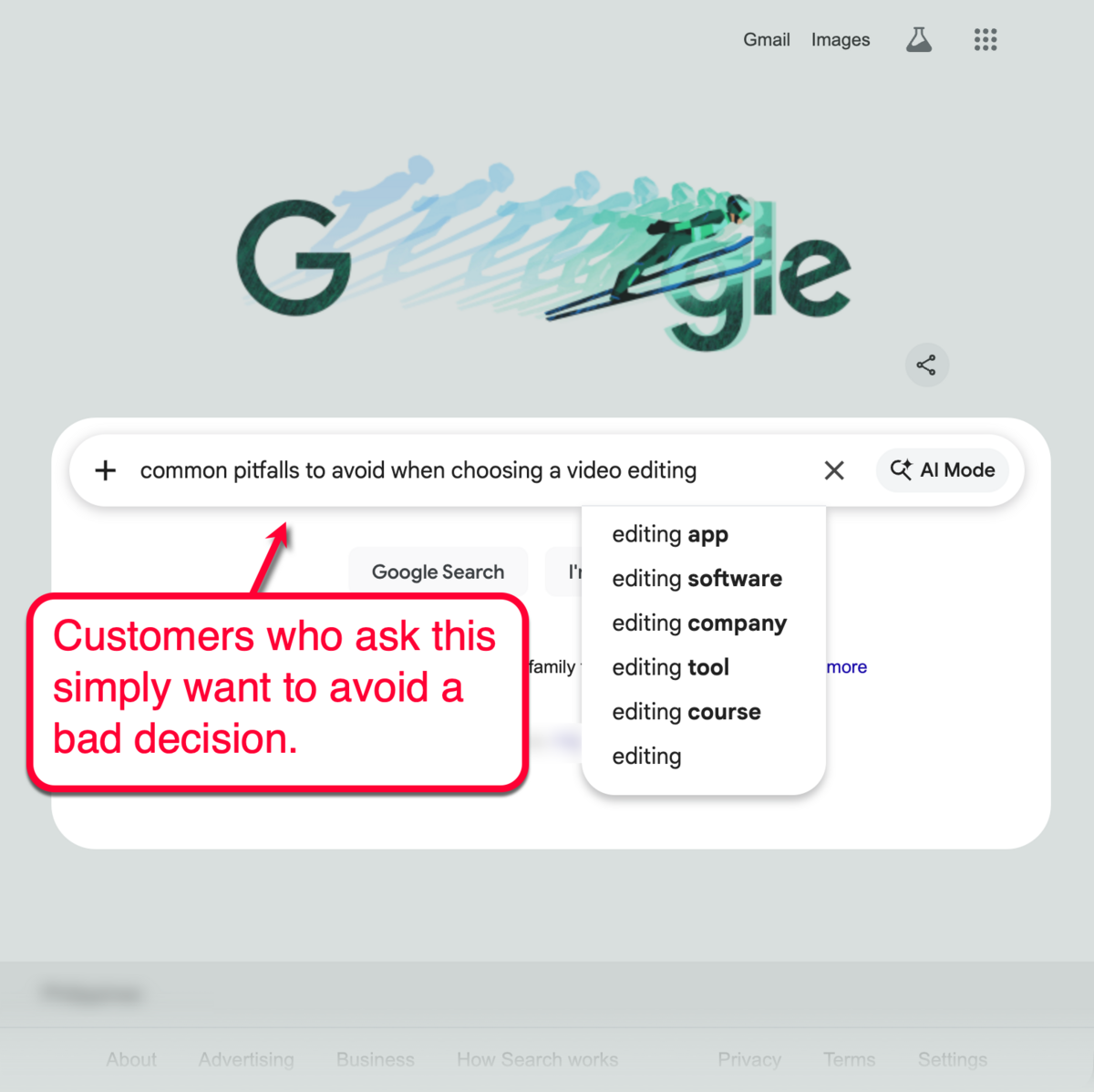
Just bear in mind: People research mistakes around the middle of the customer journey. They might still be days away from a purchase decision.
However, covering the mistakes they should avoid fast-tracks their progress.
In other words, you’re not just raising brand awareness. You also fill them up with information to avoid mistakes while presenting your product as the convenient choice.
Operational Clarity Before Commitment
Any smart customer aims to learn how a product works before they commit.
A well-known piece of advice is to put a spotlight on your product’s benefits.
Useful? Sure.
But after auditing hundreds of business blogs, I realized that selling the benefits without offering operational clarity fails.
You’ll need more than just “how-to” guides or product tutorials for this.
In B2B, you’re dealing with customers who are worried about a messy rollout or slow adoption. These people require information that helps them visualize what owning your product or working with your team looks like.
13. “Things You Wished You Knew”
This topic frequently pops up in online communities like Reddit.
It’s sought after by customers who are either really close to a purchase decision.
Or, they already bought and are looking for validation.
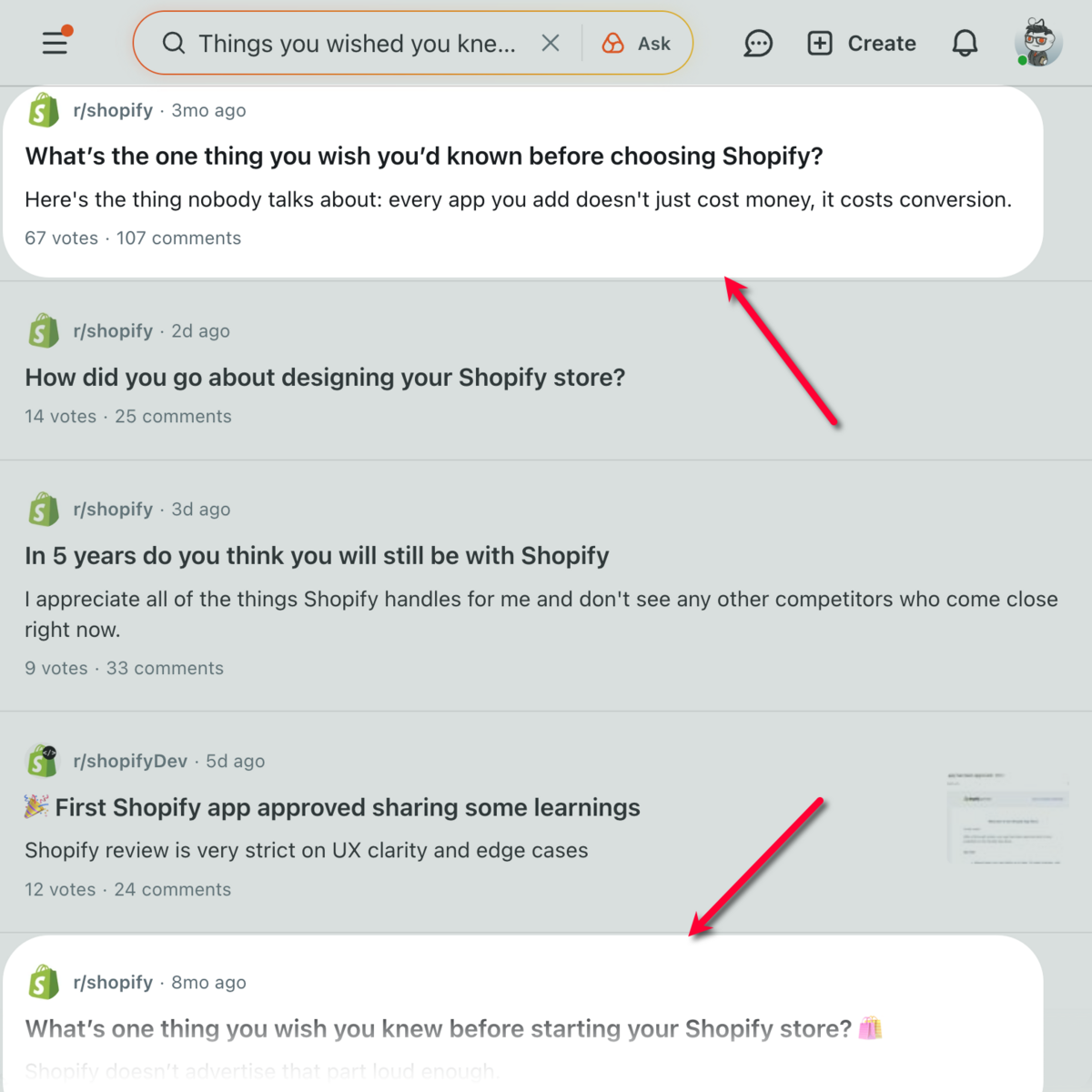
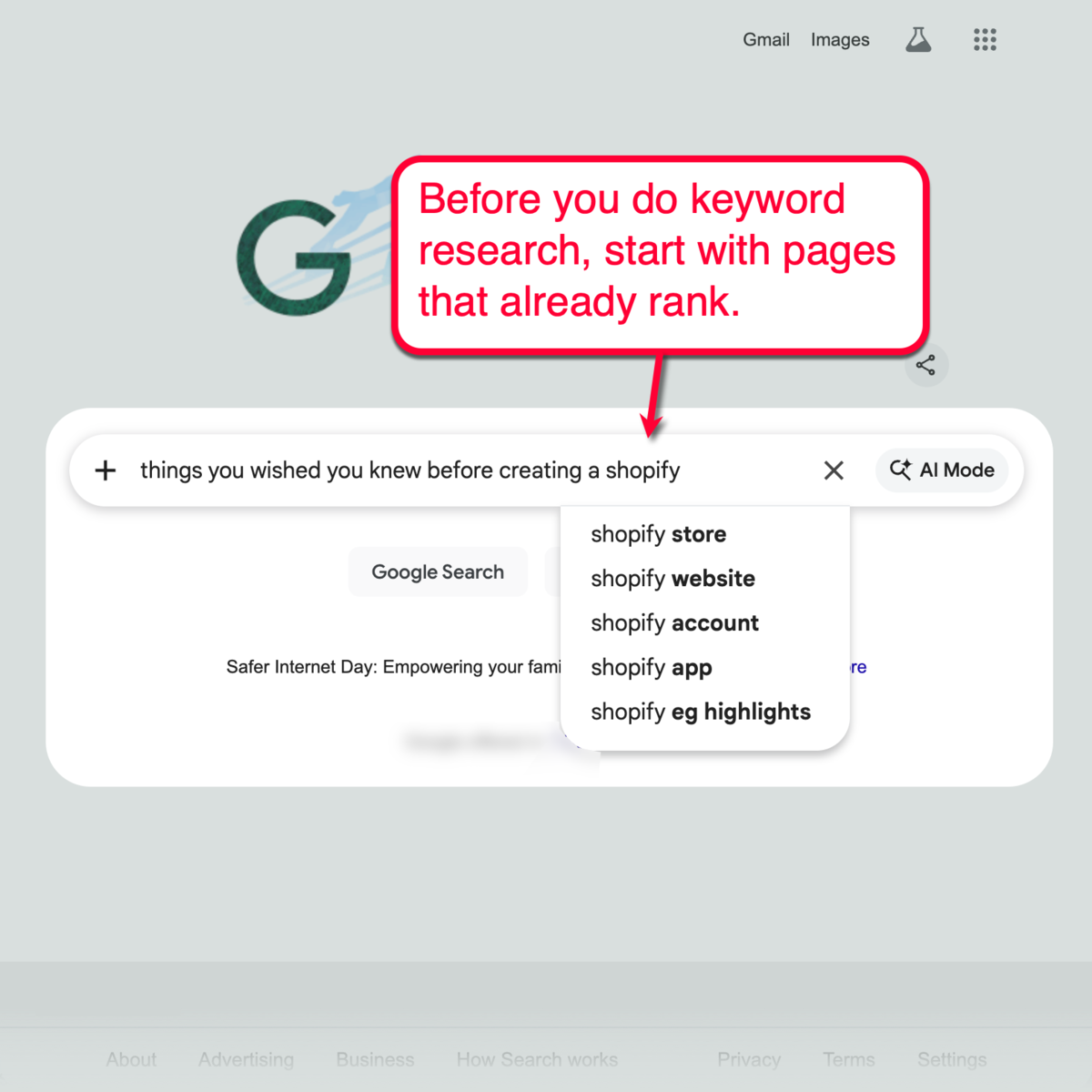
I recommend digging deeper and analyzing how your audience searches for this topic.
Performing keyword research is a good first step. But I suggest starting with pages that already rank and pull in decent traffic.
Talk about this topic strategically to turn reader attention into conversion.
If it’s about your own product, highlight the positive things customers learn after use or implementation. Be sure to include solutions to common problems if necessary.
If it’s about a competitor, explain how it can be better if they switched to your product.
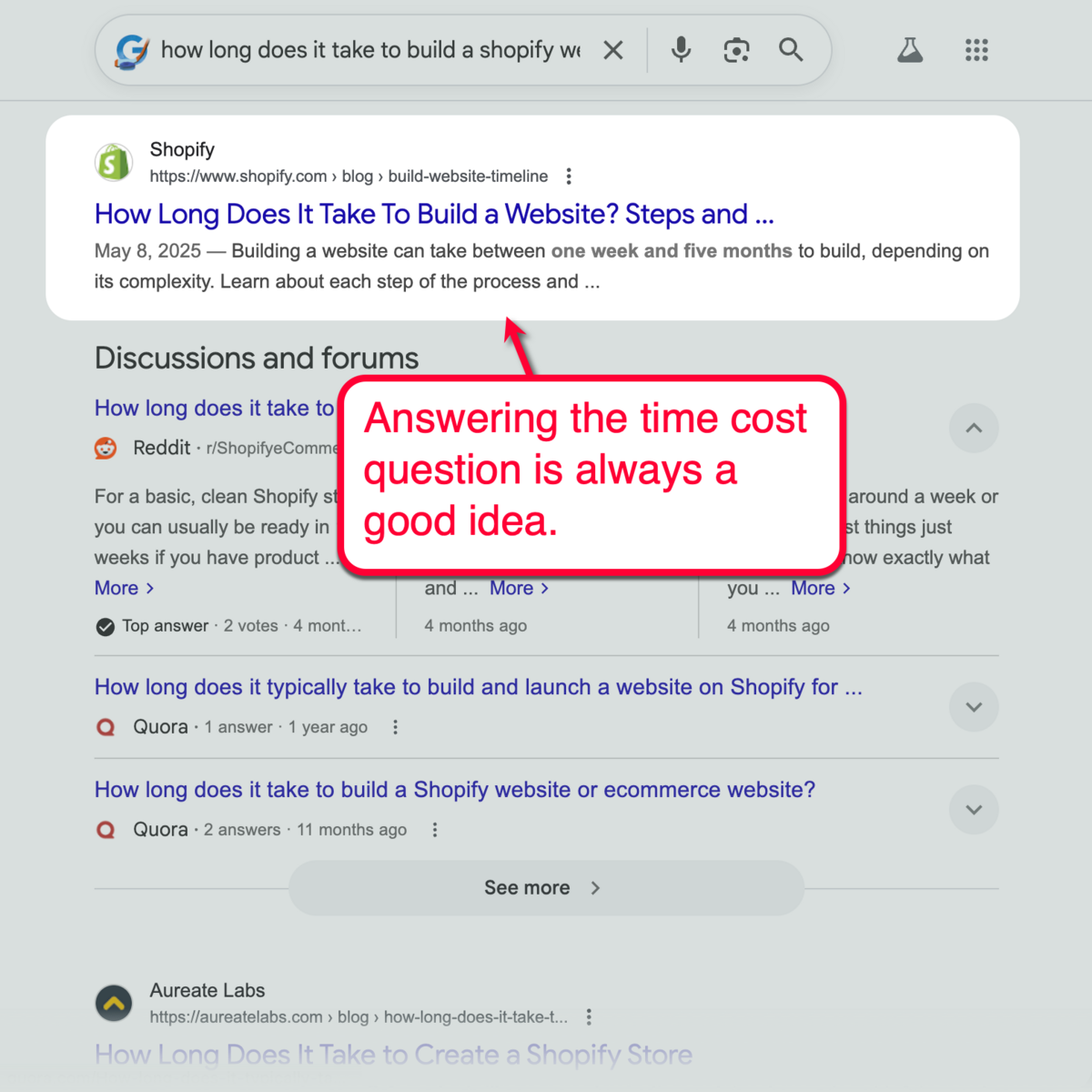
14. “How Long Does It Take to [Objective]”
If there’s one thing professionals value more than money, it’s their time.
It’s not always about who’s faster.
It’s about time efficiency.
How can you deliver the best results without wasting time?
That’s what savvy customers and business decision-makers need to know.
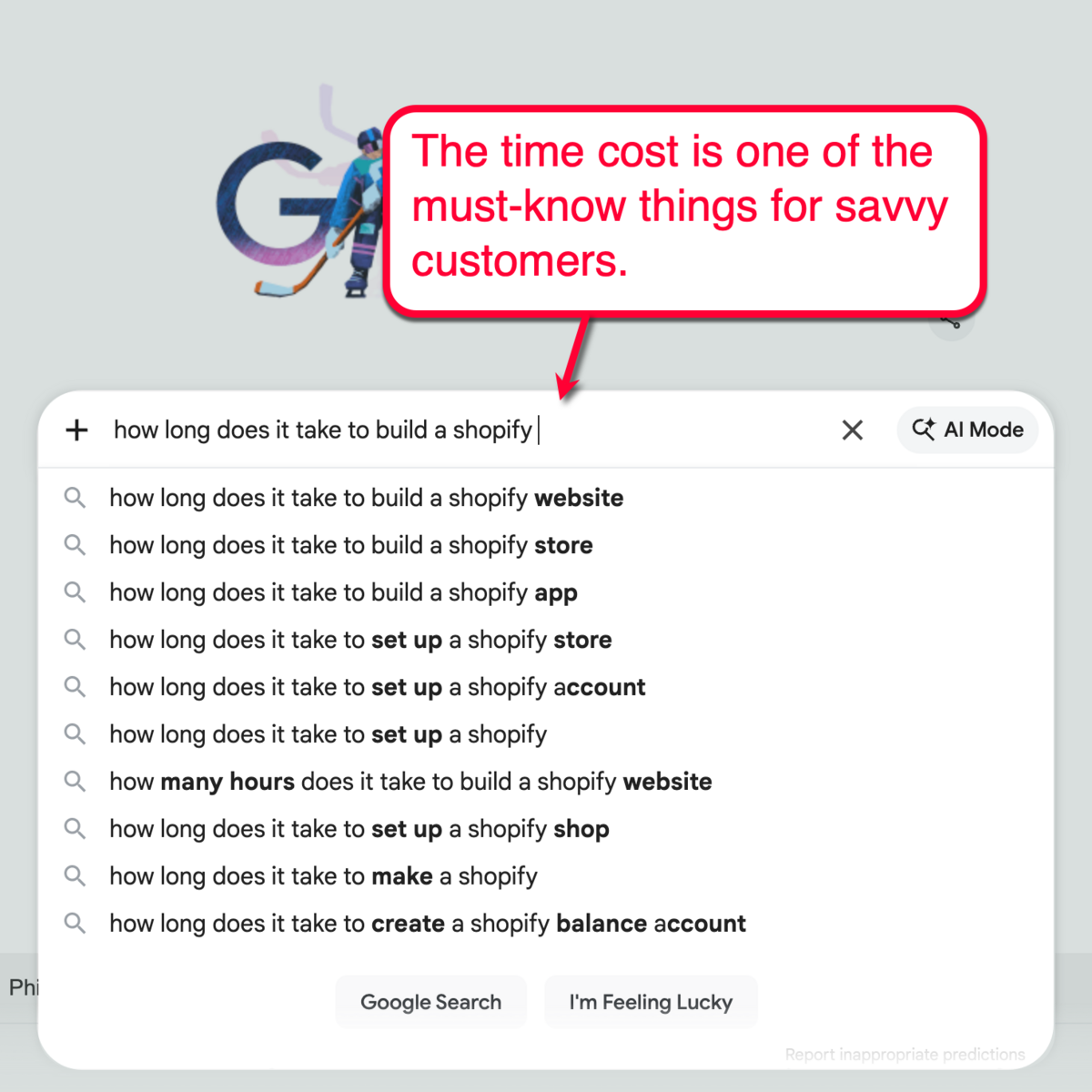
The time cost factor is usually brought up in the mid-late stages of the customer journey.
Answering this question directly with a traditional, informative post can work.
Here’s how Shopify does it:
15. “How Does [Product/Service] Work?”
The classic “how does it work” topic is a must-have for operational clarity.
Sure enough, it’s for customers with high purchase intent. But it also helps win over prospects who are in the middle of their research.
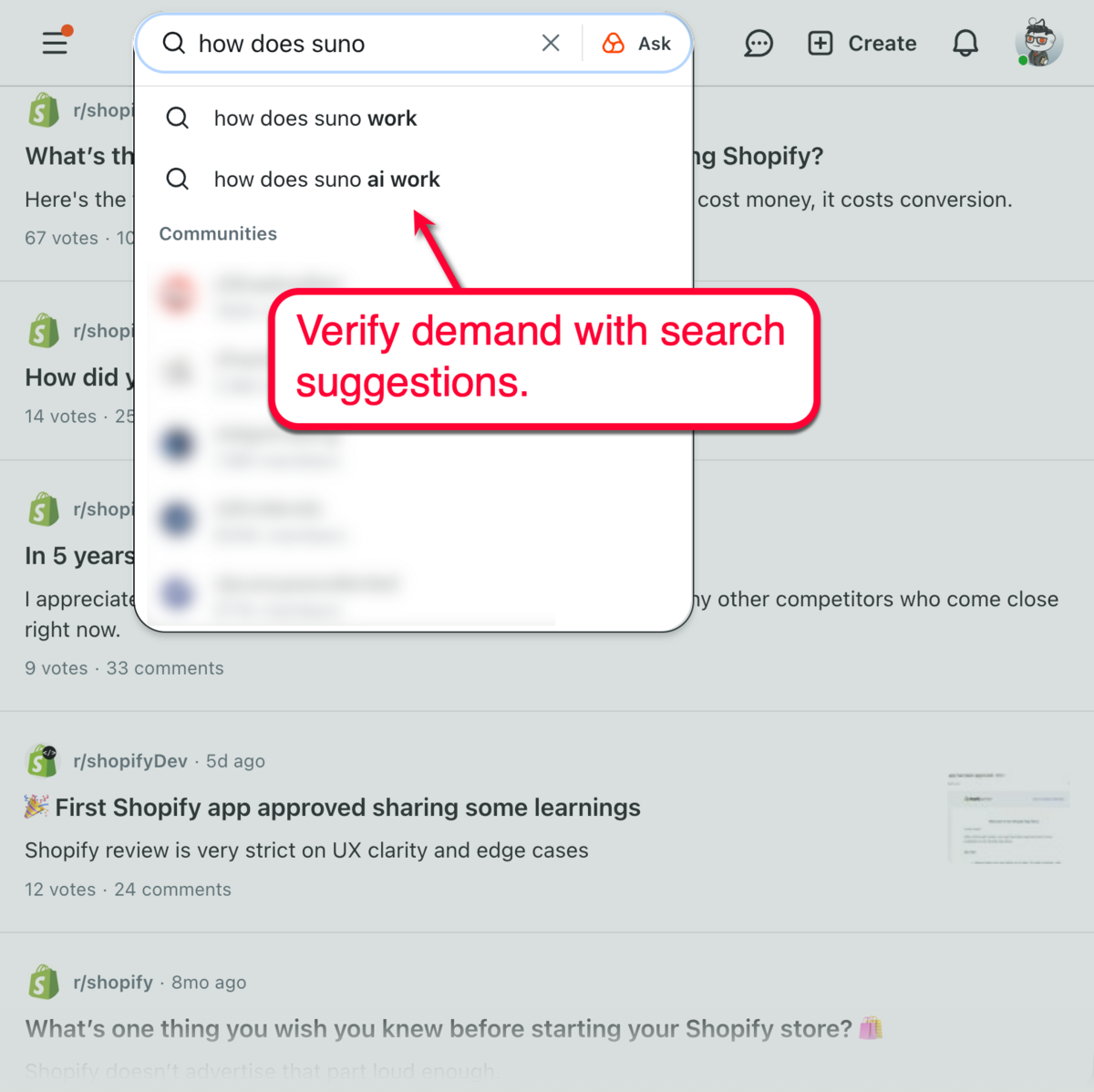
To verify this topic’s demand in your space, here’s a simple exercise.
Go to Google or Reddit and type in “how does” followed by your product. If the search suggestion includes “how does + [your product] + work,” that’s your green light.
The more your customers understand your process, the more they’ll trust you.
It can even be the tie-breaker between you and a competitor. You just need to convey that your product is:
- Easier to learn
- Works faster
- More stable
- More efficient
- Less buggy
Final Words
The internet is too saturated for generic, cookie-cutter blog posts.
Granted, covering them in due time will help assert your dominance.
But if you’re still playing catch-up, you need blog topics that lead to real results quick.
Hopefully, the list above can guide your blogging strategy towards high-impact results.
For more blog post ideas, learn how to extract them from competitors’ traffic data.

Article by
Ankit Singla is the founder of Master Blogging. With over 15 years of blogging experience, he helps entrepreneurs build blogs that become long-term business assets through content, SEO, and authority.
